How To Start An Emergency Fund
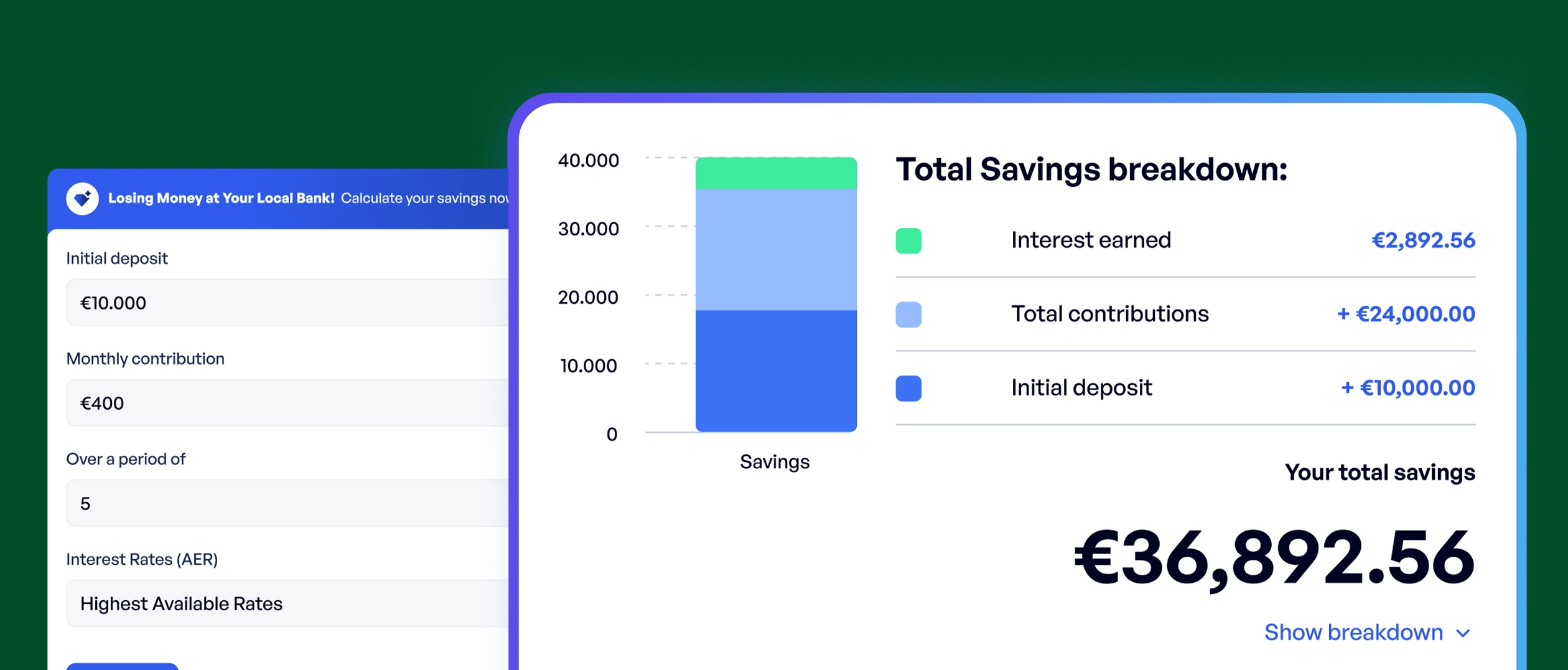
Having emergency cash set aside can help you prepare for these unexpected life events. Here are four simple steps you can use to build a solid emergency fund:
1. Set Financial Goals
When thinking about setting a goal, start with the bills you’d still need to pay if your income stopped. A general rule of thumb is to aim for three months of cover if your income is steady and another earner could help with household bills, or six months if your earnings vary or your household depends on your wage alone. If the total feels out of reach, make one month of essentials your first milestone and build from there.
2. Choose A Savings Account
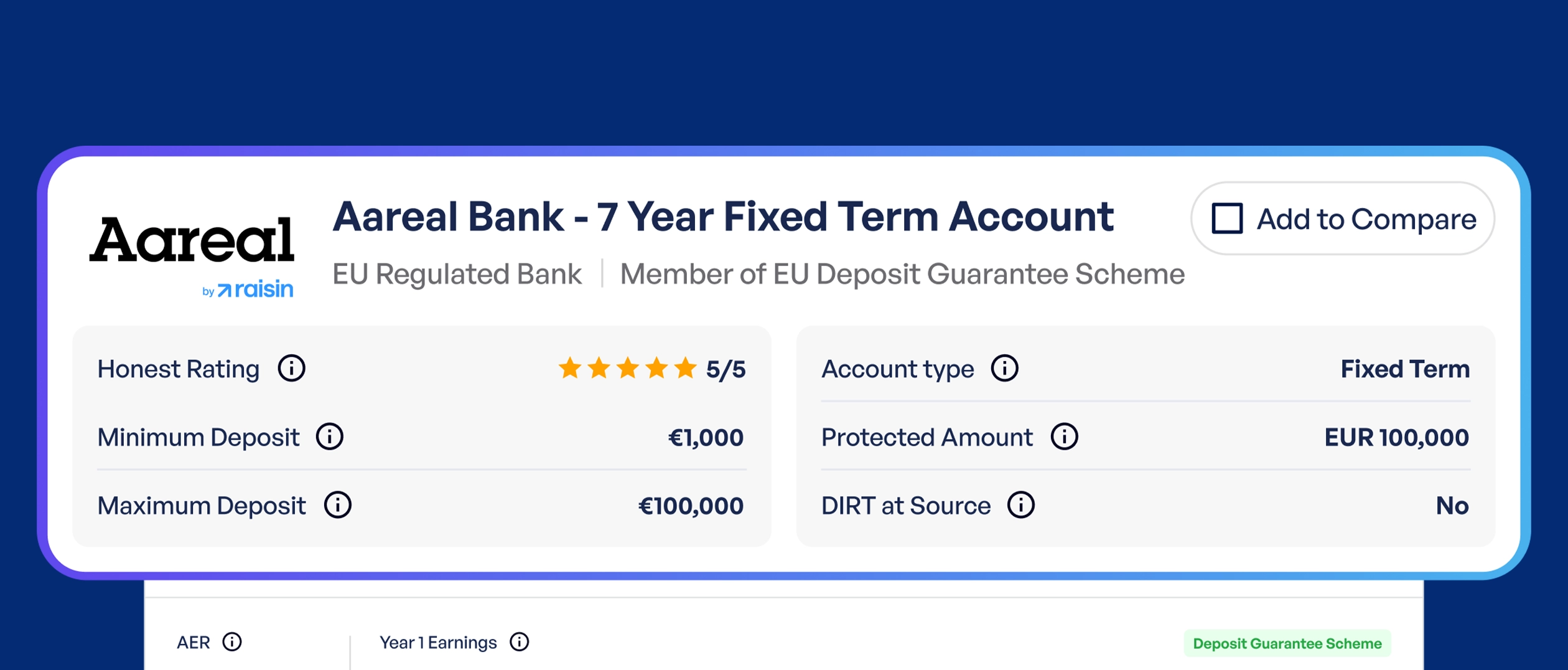
Choose an account that lets you withdraw your money without a notice period or penalty. Look for a minimum opening deposit you can comfortably afford and no ongoing account fees. Then check the AER (Annual Equivalent Rate) – the standardised interest rate that allows you to compare accounts like-for-like – paying attention to whether an introductory rate drops after a few months.
3. Set Up A Standing Order
Once you’ve got access to a savings account, the easiest way to build your fund is by setting up a standing order on payday. This is a good habit to get into as it moves money aside before it gets spent over the course of the month. The amount saved does not need to be a large sum. Small, regular deposits are usually easier to stick with than the odd large deposit, and you are not relying on remembering to transfer the money yourself.
4. Review Your Strategy
The savings target you set today won’t necessarily cover your needs forever. A new baby can mean childcare bills or reduced income if a parent cuts their working hours. Review your target once or twice a year, or after a big household change, and adjust what you put aside to fit your budget. If you’re ready to save for other goals alongside your emergency fund, explore our main savings page for more options.